If you want a strong first offer in Shreveport, you usually do not need a full remodel. You need a home that looks cared for, reads clearly in photos, and gives buyers fewer reasons to hesitate. In a market where buyers often have time to compare options and days on market can stretch into the mid-50s to mid-60s, the homes that feel ready from day one tend to stand out. This guide will help you focus on the prep work that matters most, avoid common delays, and launch with a more controlled plan. Let’s dive in.
Why first impressions matter in Shreveport
Shreveport is best approached as a presentation-sensitive market. Market reports describe the area as somewhat competitive or a cooler buyer-friendly environment, but the practical takeaway is the same: buyers have enough choice to notice condition, cleanliness, and overall presentation.
That means your first offer often depends on how well three things line up at launch: price, condition, and visuals. If one of those feels off, buyers may wait, compare, or negotiate harder.
Start with the issues buyers notice first
Before you think about decor, focus on the items that create doubt. In most Shreveport homes, that means anything visible, safety-related, moisture-related, or likely to show up in listing photos or an inspection.
A smart first-pass checklist includes:
- Roof leaks or signs of past leaks
- Gutter problems or poor drainage
- Crawl-space moisture concerns
- Exterior wood rot
- Visible pest activity
- Paint touch-ups and worn finishes
- Deep cleaning needs
- Basic HVAC maintenance items
- Yard overgrowth or weak curb appeal
Because Shreveport is hot, humid, and rainy, moisture issues deserve extra attention. The area gets just over 51 inches of rainfall a year, and high humidity is common in every season, so buyers may be especially alert to signs of water intrusion or long-term dampness.
Termite risk also matters in Louisiana’s subtropical climate. If you have visible pest concerns or past damage that has not been properly addressed, handling that early can protect buyer confidence and help avoid complications later.
Focus on curb appeal first
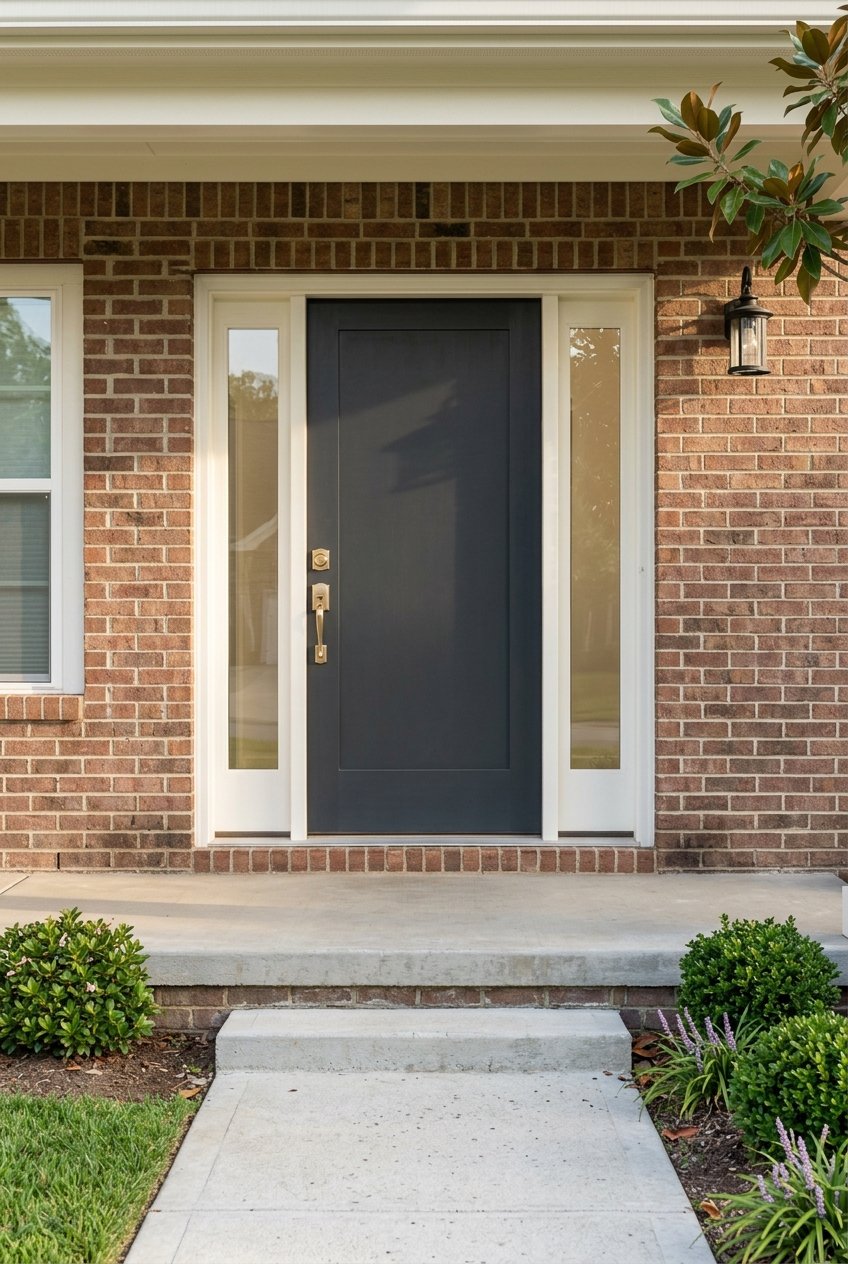
If you are deciding where to spend money first, start outside. Curb appeal remains one of the most supported pre-listing steps, with NAR reporting that 92% of REALTORS said sellers should improve curb appeal before listing and 97% said curb appeal is important in attracting a buyer.
You do not need a dramatic landscape overhaul. In most cases, simple maintenance gives you the best return and helps your home feel move-in ready before buyers even walk inside.
Curb appeal tasks worth doing
- Mow, edge, and tidy the lawn
- Trim shrubs and low branches
- Remove dead plants and weeds
- Add fresh mulch if needed
- Clean the front door and entry area
- Pressure wash walkways and exterior surfaces where appropriate
- Replace broken exterior lights
- Touch up peeling paint or worn trim
- Make sure house numbers are visible and neat
Landscape maintenance was estimated by NAR to recover about 104% of cost. That does not mean every outdoor project pays off, but it does support a clean, well-kept exterior as a strong pre-listing priority.
Keep interior updates selective
One of the biggest mistakes sellers make is assuming they need to renovate everything. Usually, you do not. National seller data shows many homeowners complete only minor renovations before selling, while many others sell as-is.
In a market like Shreveport, a better strategy is often to make visible, practical improvements instead of taking on major remodeling. Buyers respond well to homes that feel clean, functional, and easy to understand.
Interior fixes that often help most
- Patch and touch up wall scuffs or nail holes
- Replace burned-out bulbs with consistent lighting
- Fix loose hardware, sticking doors, or dripping faucets
- Re-caulk tubs, showers, and kitchen areas if needed
- Clean flooring and grout thoroughly
- Reduce countertop clutter
- Remove extra furniture that makes rooms feel tight
These updates are usually more cost-effective than a full redesign. They also support better photos, better showings, and fewer distractions during buyer walk-throughs.
Stage the rooms that matter most
You do not have to stage every square foot to make an impact. The strongest staging value tends to concentrate in a few high-visibility spaces.
According to NAR’s 2025 staging data, 83% of buyers’ agents said staging made it easier for a buyer to visualize the home as a future home. The most important rooms to stage were the living room, primary bedroom, and kitchen.
Where to put your staging effort
Living room
Keep the layout open and easy to read. Buyers should be able to understand how furniture fits and how the room functions the moment they walk in.
Primary bedroom
Aim for calm, simple, and uncluttered. Too much furniture or personal decor can make the room feel smaller and distract from the space itself.
Kitchen
Clear counters, clean surfaces, and organized sightlines matter here. Even a lightly styled kitchen tends to photograph better and feel more polished.
If you are already moving out, selective staging can still make sense. A lightly staged or partially furnished home is often a more practical cost-control strategy than fully furnishing every room.
Prepare for photos before you go live
A strong first offer often starts on a screen, not at the front door. NAR found that 41% of recent buyers began their search by looking online at properties for sale, and buyers’ agents ranked photos, physical staging, videos, and virtual tours as important listing tools.
That makes your launch timing critical. Photos should happen only after the home looks finished, not while repairs, cleaning, or decluttering are still in progress.
Pre-photo checklist
- Finish touch-up repairs
- Complete deep cleaning
- Remove personal items and excess decor
- Open blinds or curtains where appropriate
- Replace mismatched light bulbs
- Hide cords, trash cans, and pet items
- Clean mirrors, glass, and stainless surfaces
- Straighten bedding and seating areas
- Clear driveways and front entry spaces
If your home looks polished online, you give buyers a reason to schedule a showing quickly. If the photos feel unfinished, buyers may scroll past or assume the in-person condition will be worse.
Get disclosures ready early
Paperwork can slow down a good listing if you wait too long. In Louisiana, sellers of residential real property are required to complete the Louisiana Real Estate Commission property disclosure form and deliver it no later than when the buyer makes an offer.
The form must be completed in good faith and to the best of your knowledge. If the disclosure is delivered after an offer is made, the buyer may be able to terminate or withdraw within 72 hours, excluding weekends and federal or state holidays, without penalty.
For homes built before 1978, lead-based paint rules also apply. Sellers must disclose known lead-based paint and hazards before the contract is signed, provide available records and reports, give the EPA pamphlet, and allow the buyer a 10-day opportunity to conduct a paint inspection or risk assessment.
Getting these items organized before your listing goes live helps reduce avoidable delays. It also supports a more orderly launch, which matters when you are trying to create confidence from the start.
Use a practical prep sequence
The best listing prep plans are not random. They follow a sequence that keeps you from wasting time and money.
Here is a simple order that works well for many Shreveport sellers:
- Walk the home and identify visible, moisture-related, and safety-related issues.
- Decide which repairs are essential before listing.
- Complete disclosure documents early.
- Tackle curb appeal and exterior maintenance.
- Deep clean and declutter the interior.
- Make selective staging improvements in the living room, primary bedroom, and kitchen.
- Schedule photos only after the home is fully ready.
- Launch with pricing, condition, and visuals aligned.
This kind of sequencing gives you more control. It also helps prevent a rushed listing that reaches the market before the home is truly prepared.
Why coordination matters
Most sellers do not need more opinions. They need a clear plan and consistent execution.
NAR data shows that most sellers use an agent who manages a broad range of sale-related tasks. That matters because preparing a home for a strong first offer is not just about pricing. It is about coordinating repairs, lining up vendors, organizing disclosures, staging the right spaces, and timing photos and launch correctly.
That hands-on approach fits how many sellers actually work. You do a limited amount of prep, stay focused on what buyers will notice most, and rely on experienced support to keep the process moving.
If you are getting ready to sell in Shreveport, the goal is simple: make your home feel well-maintained, market-ready, and easy for buyers to say yes to. When condition, visuals, and timing come together from day one, your first offer has a better chance of being a strong one. If you want a calm, detail-driven plan for repairs, vendor coordination, and launch strategy, connect with Hugo Murcia.
FAQs
What should I fix first before listing a home in Shreveport?
- Start with anything visible, safety-related, moisture-related, or likely to show up in photos or an inspection, such as leaks, drainage issues, wood rot, paint touch-ups, cleaning, HVAC basics, and pest concerns.
Do I need to remodel my Shreveport home before selling?
- Usually no. Minor repairs, cleaning, decluttering, and selective updates are often more practical than major remodeling.
Is staging worth it for a Shreveport home sale?
- Often yes, especially in the living room, primary bedroom, and kitchen where buyers tend to focus most.
What disclosure paperwork matters when selling a home in Louisiana?
- Louisiana sellers need to complete the state property disclosure form in good faith and deliver it no later than when a buyer makes an offer, and pre-1978 homes also have lead-based paint disclosure requirements before contract signing.
When should I schedule listing photos for my Shreveport home?
- Schedule photos only after repairs, cleaning, decluttering, and staging are complete so your online presentation matches the home’s best condition.